
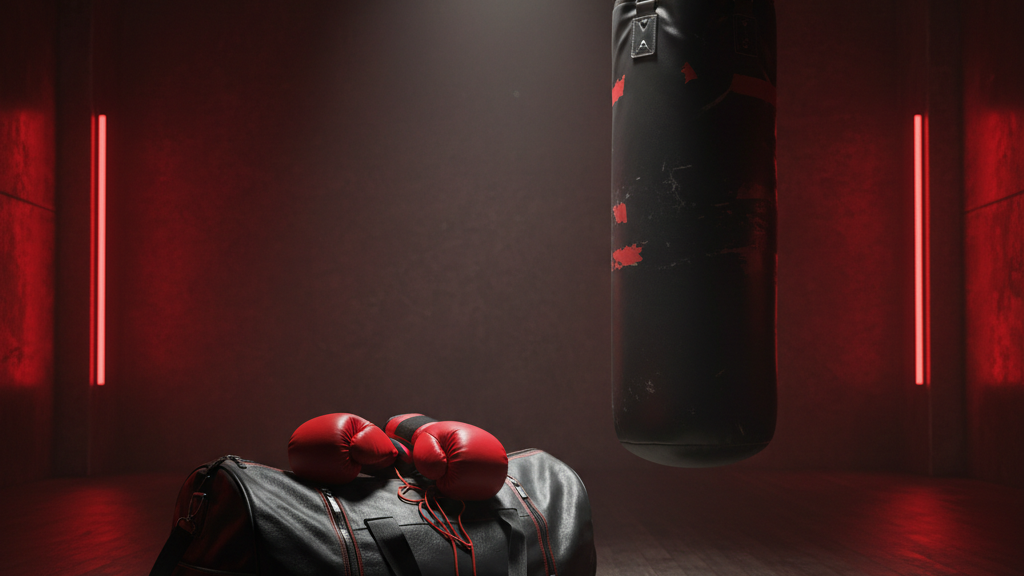
Boksing er ikke en sport som tilgir dårlig forberedelse. Fra det øyeblikket du trår inn i treningsstudioet, betyr enhver detalj noe – din innpakningsteknikk, fotarbeidet ditt, kondisjonen din, og ja, din treningsbag for boksing. En boksesekk er ikke bare en beholder. Det er basen for operasjoner for hver treningsøkt: stedet der hanskene dine bor, der håndbandasjene dine tørker mellom rundene, der munnskinnen din holdes beskyttet og vannet ditt holder seg kaldt. Få sekken riktig, og hele treningsflyten din blir jevnere. Få den feil, og du graver deg gjennom et kaotisk rot mens du prøver å finne bandasjene dine, mens oppvarmingsvinduet ditt lukkes.
Kravene til en boksesekk er unike sammenlignet med en standard treningsbag. Bokseutstyr er klumpete. Hansker alene utgjør halvparten av volumet i en typisk treningsbag. Legg til 4,5 meter håndbandasjer, en munnbespkytter, et hoppetau, leggskinn til sparring, boksesko, et håndkle og en vannflaske – og plutselig trenger du en bag som er designet for volum, ventilasjon og slitestyrke, ikke bare estetikk.
Denne guiden bryter ned alt du trenger å vite om å velge den beste treningsbag for boksing: De viktigste funksjonene som betyr noe for kampsport, riktig størrelse for utstyret ditt, hvordan ulike treningsstiler krever ulike puteformater, og hvorfor smart organisering av utstyr genuint kan forbedre hvordan du trener. Enten du er nybegynner som tar steget inn på en boksegym for første gang, eller en erfaren fighter som har gått gjennom et halvt dusin puter, er dette guiden som setter en stopper for letingen.
Hvorfor boksing krever en spesialisert gymbag
Gå inn i et hvilket som helst boksegym og se på sekkene som står langs veggene. De erfarne fighterne bruker ikke generiske ryggsekker eller enkle bagger fra motemerker. De bruker spesialbygde boksevesker — stor, strukturert, ventilert og slitesterk. Det er en grunn til dette, og det koker ned til idrettens spesifikke krav.
Volumkrav er den første utfordringen. Et par boksehansker — selv et kompakt treningspar på 10 oz — tar opp samme plass som to store vannflasker. En sparringshanske på 16 oz er enda større. Pakk inn håndbandasjer, som må lagres løst for å luftes og tørkes, og du har allerede fylt en middels stor pose før du har lagt til noe annet. En treningsbag for boksing må være ordentlig stor — typisk 40–70 liter avhengig av om du bærer sko og sparringutstyr.
Ventilasjon er den andre kritiske faktoren. Bokseutstyr absorberer svette i et tempo som får vanlige treningsklær til å se tørre ut. Hansker, bandasjer og hodeputer trenger alle luftstrøm for å tørke ordentlig og forhindre bakteriell oppbygging som får utstyret til å forringes og utvikle permanent lukt. En veske med ventilerte paneler, nettinglommer og et hanskerom med åpen vev lar utstyret ditt puste mellom øktene. En forseglet veske uten luftstrøm gjør hanskene dine til en petriskål over natten.
Holdbarhet er det tredje kravet. Boksesekker blir kastet rundt. De står på treningsgulv, blir kastet i bagasjerom, blir dratt gjennom garderober. Billige glidelåser gir etter under vekten av tunge hansker. Tynn stoff rivner når et hjørne av en hanske treffer det fra innsiden. En ordentlig boksesekk trenger forsterket søm, kraftig beslag og et stoff som er vurdert for seriøs daglig bruk — minst 420D nylon, ideelt sett 500D Cordura.
🎒 Bygget for de hardeste øktene
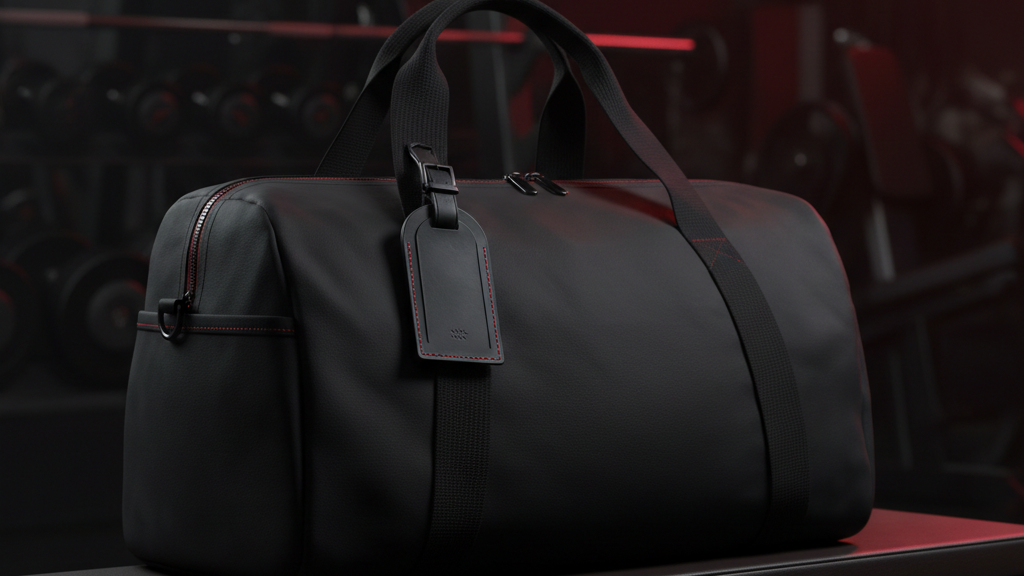
Onixxx Magnetic Gym Bag er laget av 500D Cordura nylon med neodymmagneter — fester seg til alle metalloverflater på treningsstudioet, slik at utstyret ditt holder seg unna gulvet og innen rekkevidde mellom rundene.

Nøkkelen til å se etter i en boksetrening bag
Ikke alle store bagger kvalifiserer som en skikkelig treningsbag for boksing. Egenskapene som er viktige i en boksesammenheng er spesifikke, og å vite hva man skal se etter skiller en sekk som fungerer fra en som svikter deg midt i treningsperioden.
Dedikert hanskerom eller ventilert sidelomme. Dette er den aller viktigste funksjonen for boksespesifikk bruk. Hanskene dine trenger sin egen plass – ideelt sett med nettingpaneler eller perforeringer som tillater luftstrøm. Oppbevaring av hansker i hovedrommet sammen med tørre klær betyr at det rene utstyret ditt absorberer svette og lukt i løpet av en treningsøkt. En skikkelig sidelomme med ventilasjon holder hanskene tilgjengelige, luftige og isolert fra alt annet.
Stor hovedrom med fleksibel organisering. Hovedrommet må romme sparringshjelm, leggbeskyttere, sko, bandasjer og klær uten at du må komprimere noe. En stiv struktur jobber mot deg her — det beste bokseposer har halvstrukturert hovedrom som kan utvides og komprimeres etter lasten din. Interne skillevegger og pakkekuber kan hjelpe til med å organisere et stort hovedrom, men selve volumet må være der først.
Våt lomme eller vanntett fôret rom. Boksetrening involverer mye fuktighet – svettegjennomtrukne bandasjer, fuktige håndklær, en vannflaske som har blitt åpnet midt i økten. En forseglet vanntett lomme holder våte gjenstander unna tørt utstyr og forhindrer den langsomme spredningen av fuktighet som fører til mugg. Dette er en uunnværlig funksjon for alle som trener mer enn to ganger i uken.
Forsterkede bærehåndtak og polstret skulderstropp. En fullastet boksesekk er tung — lett 10–15 kg når du har med hansker, sparringutstyr, sko og vann. Bærestroppene må sys direkte inn i en forsterket webbingløkke, ikke bare sys på selve bagstoffet. En bred, polstret skulderstropp gjør bagen fra et problem til en behagelig bæreløsning. Sjekk at festepunktene for stroppen bruker D-ringer av metall, ikke plastklips.
Utvendige lommer for gjenstander du trenger rask tilgang til. Nøkler, telefon, kort, boksingbeskytter – alt dette trenger sine egne lett tilgjengelige lommer utenfor hovedrommet. Å grave gjennom en fullpakket boksebag for å finne adgangskortet ditt er akkurat den typen friksjon som gjør trening til en plage. Som detaljert i vår veiledning om hvordan du velger sportsveske, rask tilgangsorganisasjon er en av de mest undervurderte faktorene i daglig brukervennlighet.
Hvilken størrelse boksepute trenger du egentlig?
Størrelse er der de fleste enten overkjøper eller underkjøper. Riktig kapasitet avhenger helt av hva du bærer og hvordan du trener.
30–40 liter — lett treningsutstyr. Hvis du bare driver med putetrening og sekketrening, og har ett par boksehansker, innpakninger, en vannflaske og et skift med klær, er en 35 liters bag perfekt. Den er stor nok til å romme utstyret ditt uten å være uhåndterlig, og liten nok til å passe i de fleste garderobeskap. Dette er den rette størrelsen for boksere som trener to eller tre ganger i uken.
40–60 liter — komplett treningsutstyr. Legg til sparringhjelm, et ekstra par hansker, leggskinn, boksesko og et komplett toalettsaker-sett, og du trenger seriøst volum. De mest dedikerte boksevesker sitter i 50–60-liters-klassen av akkurat denne grunn. Dette er størrelsen for krigere som trener fem eller seks dager i uken og bærer fullt sparringutstyr.
60L+ — konkurranse eller multisport. Hvis du reiser til konkurranser, bærer flere par hansker, eller kombinerer boksing med andre disipliner (MMA, BJJ, Muay Thai), trenger du maksimal kapasitet. I denne størrelsen blir intern organisering kritisk – uten struktur blir en 70-liters bag et sort hull hvor alt forsvinner.
Før du pakker boksesekken din for første gang, er det verdt å gjennomgå Hva du skal ha i treningsbagen — en tydelig pakkeliste forhindrer både overpakking og at du glemmer essensielt utstyr.
💧 Hydrering Mellom Runder
Onixxx Magnetic Water Bottle festes direkte til vesken din eller festes til enhver metalloverflate på treningssenteret. Isolert rustfritt stål – holder vannet kaldt gjennom hele økten.
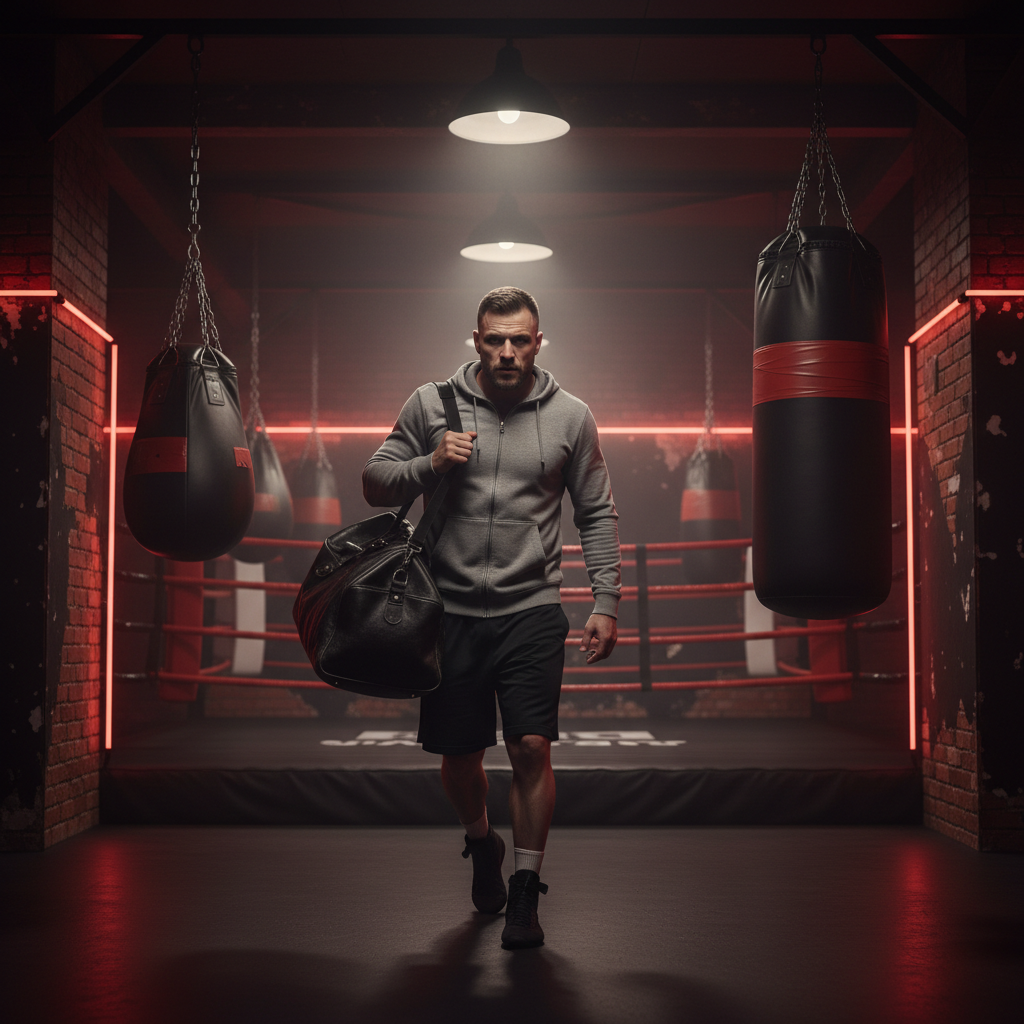
Slik holder du bokseposen din frisk mellom øktene
Bokseutstyr er notorisk vanskelig å holde friskt. Svette, lær og lukkede rom skaper de perfekte forholdene for bakterier og lukt. Forskjellen mellom en bag som lukter greit etter seks måneder og en som er uutholdelig etter seks uker, koker helt ned til vaner.
Aldri forsegl posen din umiddelbart etter trening. Dette er den aller viktigste regelen. Når du kommer hjem, åpne alle rom og la bagen stå uzippet på et ventilert sted. Hanskene dine bør tas ut og lufttørkes separat – stående oppreist med mansjetten åpen, ideelt sett med en liten vifte rettet mot dem. Å forsegle fuktig utstyr i en lukket bag over natten er den raskeste måten å ødelegge dyrt bokseutstyr på.
Bruk hanskedesinfeksjon hver økt. Sedertreinnlegg, kullposer eller spesiallagde deodoriser for boksehansker absorberer fuktighet og nøytraliserer luktstoffer. Sett dem inn øyeblikket du er ferdig med trening, før du engang har forlatt treningssenteret. Den første timen etter trening er når fuktigheten er på sitt høyeste og bakteriene formerer seg raskest.
Vask håndbindene dine etter hver treningsøkt. Bandasjer absorberer ekstraordinære mengder svette og bør aldri gjenbrukes uten vask. En vaskepose i netting hindrer dem i å floke seg i maskinen. Heng dem opp til tørk – tørketrommel bryter ned elastikken over tid. Oppbevar bandasjene løst i en nettinglomme, ikke stramt sammenrullet, for å tillate luftsirkulasjon.
Grundig rengjør vesken månedlig. Tørk innsiden med en antibakteriell spray og en fuktig klut. For gjenstridige lukter, la en åpen boks med natron stå inni vesken over natten. For en fullstendig rengjøring, vask for hånd i kaldt vann med mildt vaskemiddel, skyll grundig, og lufttørk helt før du legger utstyr inni. En ren veske beskytter utstyret ditt og forlenger levetiden til begge deler.

Den magnetiske gymbagen: designet for slik kjempere faktisk trener
Alle som har trent boksing seriøst, kjenner den spesifikke frustrasjonen ved å håndtere en bag mellom rundene. Du skyggebokser, du går bort til tungvektssekken, du beveger deg til pad'ene – og din treningsbag må følge etter deg. Den ender opp på gulvet, blir sparket borti, veltet, eller bare samler opp hva enn treningsgulvet har samlet opp gjennom uken. Det er et lite friksjonspunkt som gir seg til kjenne over hundrevis av økter.
De Onixxx magnetisk treningsveske tar tak i dette med en funksjon ingen annen veske på markedet tilbyr: åtte neodymmagneter innfelt i bakpanelet som fester seg umiddelbart til enhver metalloverflate. I et boksegym betyr det kabelmaskinrammer, vektstativ, metallstøtten til en tung bag-stasjon – hvor som helst med en metalloverflate, er vesken din borte fra gulvet og innen rekkevidde.
Konstruksjonen støtter opp om innovasjonen. 500D Cordura-nylon — materialen som foretrekkes for militært utstyr og profesjonelt utendørsutstyr — tåler daglig misbruk på treningssenteret uten klage. Det isolerte innvendige rommet holder vannet ditt kaldt gjennom to timers økter. Håndkleklemmen betyr at håndkleet ditt alltid er tilgjengelig og alltid luftes. AirTag-holderen betyr at vesken din kan spores hvis den havner i feil skap. Molle-systemet betyr at du kan feste ekstra poser etter hvert som utstyret ditt utvikler seg.
For boksere de som ønsker at utstyret deres skal fungere med treningen heller enn mot den, er dette bagen som utgjør forskjellen. Ikke bare en beholder – en aktiv del av oppsettet ditt for treningsøkten.
🎒 Ditt hjørne, hvor som helst på treningsstudioet
8 neodymium-magneter. 500D Cordura-nylon. Kleber til enhver metaloverflate, slik at utstyret ditt alltid er der du trenger det – ikke på gulvet. Bygget for kjempere som krever mer.
FAQ — Treningsbag Boksing
Hvilken størrelse treningsbag trenger jeg for boksing?
For et grunnleggende treningssett (hansker, bandasjer, vann, skift av klær) er en bag på 35–40 L tilstrekkelig. For fullt sparringutstyr, inkludert hodebeskytter, leggbeskyttere og boksesko, bør du sikte på 50–60 L. Kampsportutøvere som reiser til konkurranser eller trener flere disipliner, kan trenge 65 L eller mer.
Hvordan unngår jeg at boksehanskene mine lukter vondt i vesken min?
Aldri forsegl vesken din umiddelbart etter trening – åpne alle rom og la alt luftes ut. Ta ut hanskene og la dem tørke stående med håndleddsstroppen åpen. Bruk hanskedødere (sedertreinnlegg eller kullposer) hver økt. Vask håndband etter hver bruk. Disse vanene sammen forhindrer lukt oppbygging nesten helt.
Bør en boksebag ha et separat rom for hansker?
Ja, ideelt sett. En ventilert sidelomme eller et dedikert hanskerom holder hanskene tilgjengelige og luftet, samtidig som rene klær beskyttes mot svette og lukt. Hvis en bag ikke har dette, må du bruke en egen nettpose til hanskene dine inni hovedrommet.
Hvilket materiale er best for en boksepute?
Nylon med høy tetthet er det beste valget — spesifikt 420D eller 500D Cordura for seriøs bruk. Det er slitesterkt, vannavstøtende, lett og lett å rengjøre. Unngå lerret (absorberer svette og fuktighet) og tynn polyester (dårlig slitestyrke under tung belastning).
Kan jeg bruke en vanlig bag for boksetrening?
En vanlig bag kan fungere for veldig lett bruk, men den vil ikke tåle kravene til seriøs boksetrening. Den vil typisk mangle ventilasjonen, volumet og den forsterkede konstruksjonen som trengs for daglig bruk med tungt utstyr. En spesialbygd bag for boksetrening er en verdig investering for alle som trener jevnlig.

 English
 Français
 Deutsch
 Dansk
Dansk Español
 Suomi
Suomi Italiano
 Norsk bokmål
 Português
 Svenska